
Hi Mama! It’s me…..again *waving and smiling sheepishly*. How’s your week or weekend going so far (depending on when you read this post)? It’s been raining cats and dogs here… one minute the clouds are smiling, and the next minute they’re wailing, and I’m there wondering what went wrong – but it’s just the weather……weathering, I guess. Anyway, this time I’m here to give you ideas for toys that are worth keeping out for everyday play, especially for your toddlers.
I’m sure you can agree with me when I say that a lot of toys we see in stores or online are honestly just loud plastic buttons with batteries and flashing lights that pretend to teach something. And as a tired mom of three, I detest those loud-for-nothing toys that don’t truly hold my kids’ attention, but only add to the already existing loudness that I’m trying to manage, so it’s a big NO for me. On the other hand, the toys that do last in my home are the ones that are open-ended and let my kids do all the imagining and problem-solving, and these have been growing with my kids since they started to toddle.
Some of these toys on this list I own; others I don’t, but they’re owned by friends, and my kids have interacted with them one time or another and spent hours playing with them, which has helped me understand the value they bring and whether they’re worth purchasing or not. So, here are some of the toys that I think are worth keeping out for everyday play(according to my own knowledge and experience). And if you’re not ready to buy new toys yet, I also have a list of 9 low-prep toddler activities you can set up in 5 minutes that use simple things you probably already have at home.
Connetix or Magna-Tiles
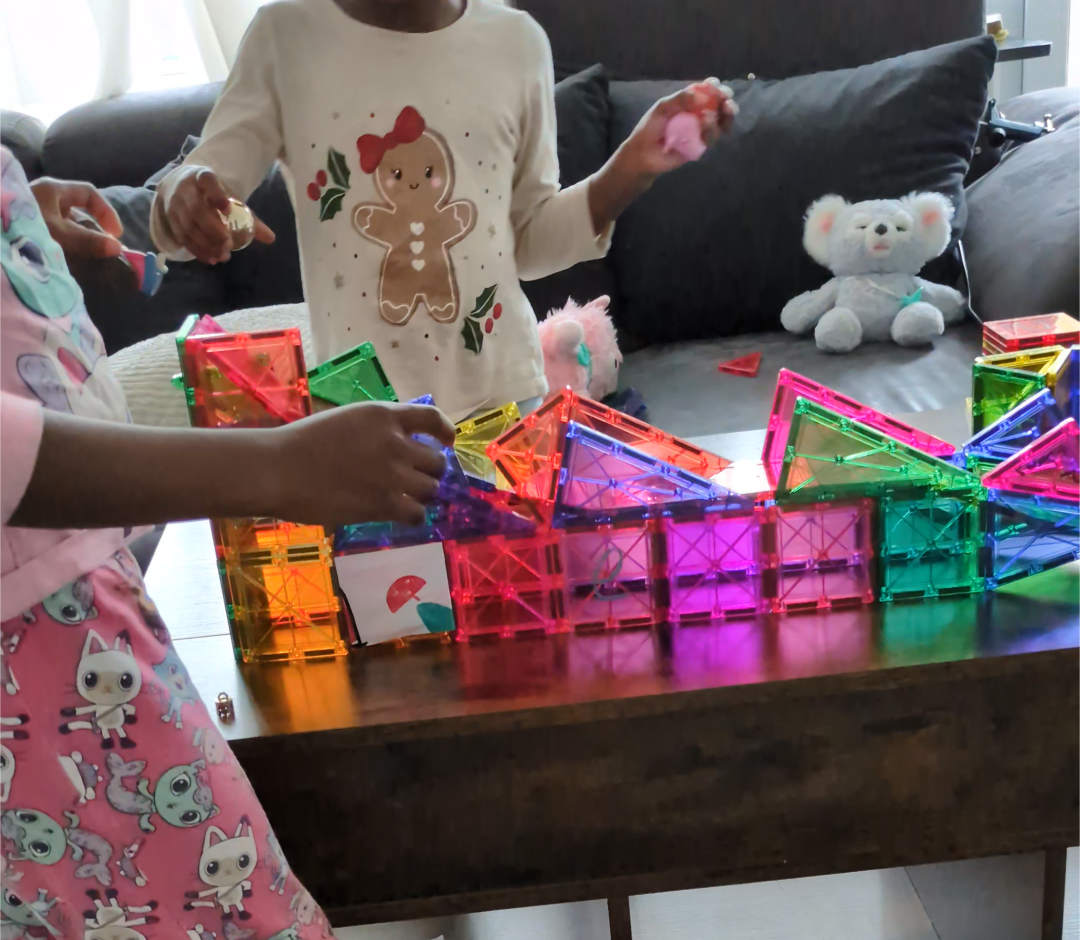
These are the toys that make your kids feel like their own architects and turn your living room into a construction site. If you decide to buy one toy this year, make it these. They are the gold standard for a reason, and my 1-year-old loves the “click click, and “snap snap” sounds they make when she puts them together on the floor (Oh, hello sensory!) while my 4 and 6-year-olds love building 3D Cathedrals and skyscraper houses for their dolls. Do you know why I love this toy? They teach symmetry without my kids even realising they’re “learning,” and because they are open-ended, there are so many fun, endless ways to use them. My post “How To Use Magnetic Tiles for Hours of Fun” will show you how.
Disclosure: As an Amazon Associate, I earn from qualifying purchases. This means that if you click on a link and make a purchase, I may earn a small commission at no additional cost to you. Thank you for supporting 3craftmama!
Grimm’s Large Stepped Pyramid
I know, I know, don’t pounce on me – the price tag on chunky wooden blocks can feel steep, but hear me out! These are heirloom quality – But when I say heirloom quality, I’m talking about a toy that pays for itself, meaning that: It’s durable (can survive the toddler destruction phase), it’s timeless (it never goes out of style or batteries), lastly, it has a ‘Buy-back’ life (there is always a community of moms waiting to buy these used and save a few coins). So you see, you aren’t just buying a toy; you’re actually ‘renting’ a high-end educational tool for a few years for a net cost of maybe $20-30 after you eventually sell it. Unlike plastic sets that only make one specific thing, these types of toys, blocks can be a castle today, a fence for a farm tomorrow, and a marble run another day.
Mega Bloks
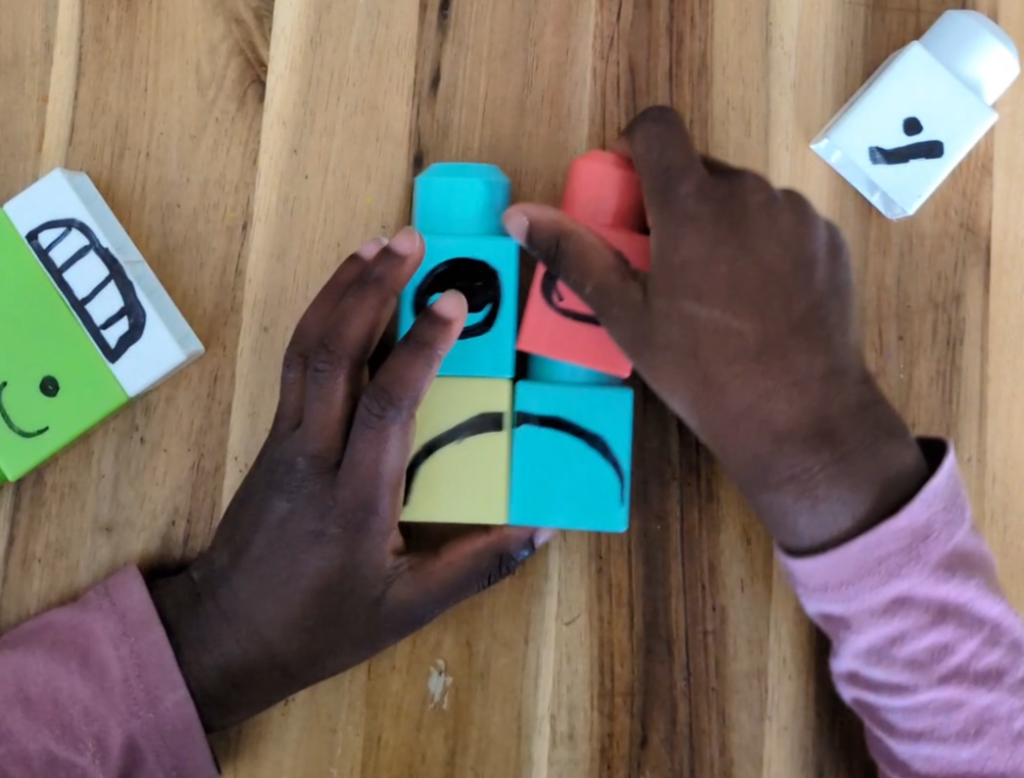
If you were sleeping on these before, please wake up now because Mega Bloks are not as useless or boring as you may think. So you see, before these toddling ones are ready for those tiny, foot-stabbing Legos, Mega Bloks is king. You wanna know why? Well, for one, they fit perfectly in their hands, which makes them very easy to hold and manage. Secondly, I absolutely enjoy seeing my 1-year-old build her mini towers and then knocking them over again; it’s too cute not to watch. Thirdly, as this is the ‘Put everything in your mouth’ phase, I can confidently leave her alone with her bucket of Mega Bloks without worrying about her swallowing or choking. Fourthly, it doesn’t have an age limit or stops being interesting when your child turns four or six, because you can actually merge them with standard legos, yes, they fit together. My 4- and 6-year-olds still build towers with them, and I use them to prep number-hunt and emotion-building activities for them. I also love turning simple household items into play ideas, so if your child enjoys building and pretending, you might also like these 4 low-prep activities you can set up with only paper rolls.
Shape Sorting Cubes
The shape sorting cube is one of the first toys I got for my first child. It’s one toy that mesmerises toddlers, and they can go on and on, figuring out the weird shapes on the box until they finally get it. There is nothing more satisfying for a toddler than the clunk of the square finally fitting into the hole. Toddlers genuinely love the challenge and repetition, and the sensory feedback is incredibly rewarding for them. One of the very good brands I know and love is Melissa & Doug.
What I also love about it is that it quietly teaches so many skills without feeling like “learning” to them, plus they’re practising problem-solving, hand-eye coordination, shape recognition, patience, and even early fine motor skills every single time they try again. And honestly, it’s one of those toys that keeps toddlers busy longer than many loud battery-operated toys ever do.
Montessori Toys and Play Kits
I love Montessori toys and play kits because they take the guesswork out of “is this actually age-appropriate?” These kits are usually designed by child development experts around specific developmental stages, which makes them feel far less overwhelming for parents trying to choose toys intentionally instead of randomly buying whatever is trending online.
Examples of these kinds of play kits include Lovevery and Tiny Land.
While I personally haven’t purchased these kits myself, I do have several mom friends and followers who genuinely rave about them, especially because the activities feel purposeful without feeling overly complicated or overstimulating.
For example, Lovevery has a play kit called The Babbler (designed for ages 13–15 months), which one of my toddler mom friends described as a complete lifesaver for helping her child practice coordination and more focused independent play. She mentioned that instead of jumping quickly from toy to toy, her toddler stayed engaged longer because the activities matched their developmental level. And honestly, I think that’s one of the biggest reasons so many parents love these types of kits, because they reduce the constant pressure of wondering whether your child is “behind,” “bored,” or “ready” for certain activities. And if you’re specifically looking for ideas for younger toddlers, I wrote a separate post with 5 mess-free activities for 15-month-olds that are simple, low-prep, and realistic for busy days.
Playdough & Modelling Clay
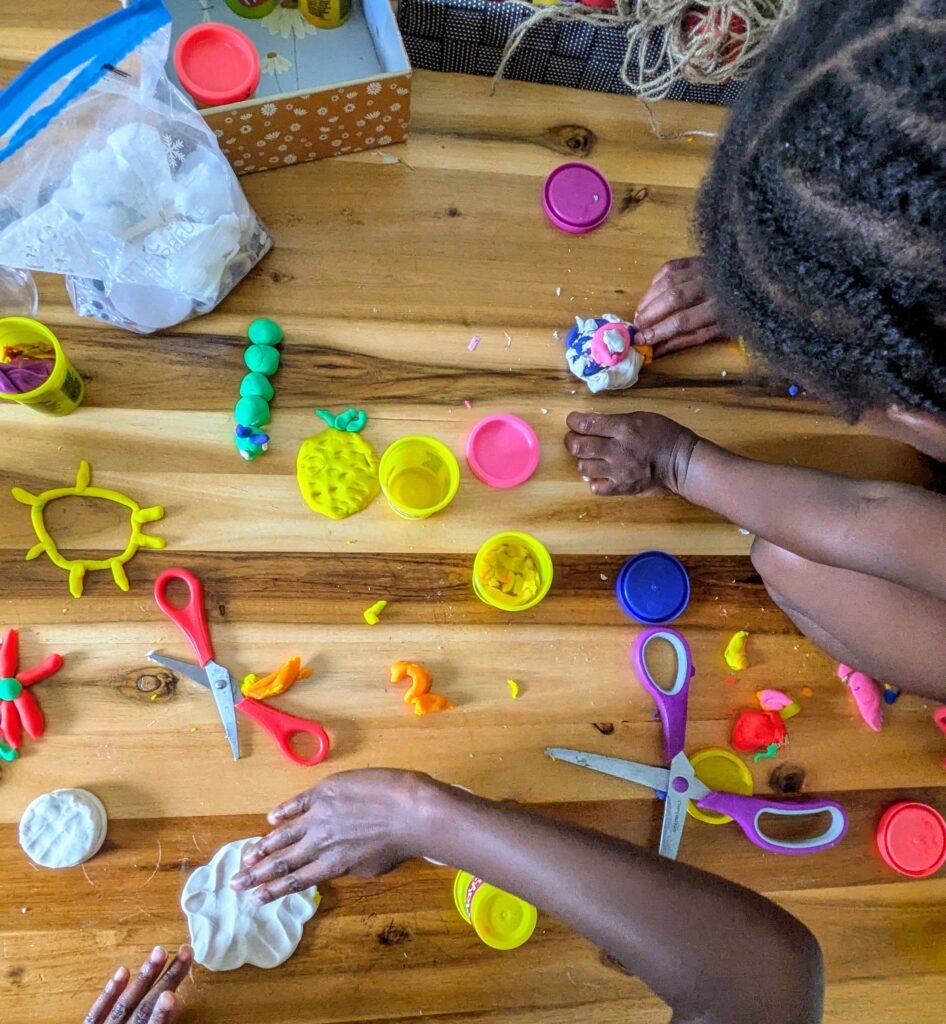
My kids can spend hours playing with playdough because it’s tactile and actually calming. While it might not be a toy in the traditional sense, it’s absolutely a play tool with real educational value – it’s one of the best ways to strengthen their little hand muscles for future writing and fine motor skills.
One thing I love about playdough is that there’s no “right” way to use it, and that takes so much pressure off kids who get frustrated when activities don’t turn out perfectly. They can squish, roll, flatten, poke, cut, and create however they want, and it still counts as meaningful play. I also love that you can easily make your own at home if you want to keep things simple and budget-friendly. With toddlers in particular, I always recommend choosing a safe, non-toxic option since they still explore with their mouths.
Another reason playdough lasts so long in our home is that it feels brand new every time we change the tools. We use simple things like cookie cutters, bottle caps, straws, plastic forks, scissors, and even toilet paper rolls, and somehow, those tiny changes completely refresh the activity without needing to buy anything new. If you’re building a basic craft cupboard, I also shared my 10 must-have craft supplies every not-so-crafty mom needs, just the things that actually get used.
Stepping Stones
Can I just say that these are a newer obsession of mine? They are lightweight and indestructible, and their rough surface is great for sensory development. We use them at home for balance, as “stepping stones” over “lava,” or even as bowls for a sorting game, and they get the big muscles moving when you can’t get to the park. Since toddlers already love climbing and hopping around the house, these stepping stones offer a safer, more purposeful way to practice balance, coordination, and movement.
Figurines
Figurines like Holztiger animals or simple wooden peg dolls may look basic, but they encourage some of the richest kinds of play. When your child makes two cows “talk” to each other or pretends a peg doll is going to the market, they’re developing narrative thinking, empathy, communication, and social language skills. Unlike toys that do all the entertaining for them, these simple figurines leave room for imagination, and that’s exactly what keeps kids coming back to them again and again.
Are these worth the money?
One thing I’ve come to learn since having kids is this: quality over quantity any day, any time.
I used to have the mindset of, “Oh, it’s just a toy, they’ll play with it for a while, abandon it, grow out of it, and it’ll become useless anyway.” So, because of that, we’d buy cheap toys that barely lasted a month in the house. They’d break easily, and we’d end up constantly replacing them.
Now, I’m not saying you need to splurge on every toy; what I am saying is that when you buy good-quality toys, they tend to last for years. They get passed down from sibling to sibling, and even when your kids are done with them, you can often resell them for a good price. I’ll use myself as an example: I barely bought toys for my second and third children because I had already invested in quality toys for my first. Those same toys were passed down to my second baby, and now my third, who is currently a toddler, is still using them. And honestly? They still look good.
I understand that many of these toys are expensive upfront, but when you think about the quality, durability, safety, eco-friendly materials, and educational value… you start to realise they’re actually worth it in the long run – and these are the kinds of toys that grow with your child instead of becoming useless after a few months. Some of them honestly feel timeless enough to even pass down to future grandchildren. So yes, they are absolutely worth the money.
A little tip from one mom to another:
Since some of these toys can be pricey, I love checking secondhand marketplaces, because there are so many parents selling gently used toys for a fraction of the original price, sometimes literally less than half the store price, and since I live in Germany, I usually check Kleinanzeigen and Vinted. You’d honestly be surprised at what you can find there.
Another thing I do is wait for seasonal sales and holiday discounts before buying bigger items, because at the end of the day, I’d personally rather have a few really good toys that last for years than constantly spend money replacing broken ones every few months.
How Do You Stop Toy Overwhelm?
I’d honestly say this matters even more than constantly buying new toys. And I’m not saying this as some toy-organisation expert with a perfectly labelled playroom and matching baskets everywhere that somehow never get messy. I’m saying this as a mom who started noticing that when everything was available all the time, my kids somehow couldn’t play with anything properly and would just dump toys everywhere. Their attention spans got shorter, and somehow they were still saying, “I’m bored.”
What’s been helping us so far, and what I’ve heard so many other moms say too, is simply reducing what’s visible at one time. Not getting rid of everything, but just creating a little less visual chaos. So here are a few things that have genuinely helped in our home:
- I rotate toys every few weeks instead of keeping every single toy out all the time
- I keep only a few intentional options visible on the shelf
- I group their similar toys, such as their Legos, blocks, and magnetic tiles, so the pieces actually make sense to them and they can easily grab and play with them without searching for the others.
And, weirdly enough, whenever their toys disappear for a while and come back later, my kids often play with them like they’re brand new. I’ve also noticed my kids tend to play longer and more creatively when there are fewer choices in front of them – and I’ve seen on many occasions with them that too many options overwhelm them, especially my toddler. They just bounce from one thing to another without really settling into the actual play. But to be more specific, these are the toys I actually leave out:
- Their magnetic tiles (This one is the MVP; they always go for it)
- Their Legos & building blocks
- One puzzle box
- And their crayons
Another thing I’ve seen a lot of moms talk about a lot is making toys easier for kids to access independently, such as low baskets, simple shelves, and easy cleanup systems, not because we’re trying to create tiny, organised robots, but because toddlers usually engage more with toys they can actually reach and put away themselves. And the truth is that even after three kids, I’m still figuring this out, too. The bottom line is that simplifying what’s available genuinely makes play feel calmer. And on the days when toys still feel like too much, I usually go back to very simple setups like the ones in my 9 low-prep toddler activities you can set up in 5 minutes post.