
I’ve come to think of a particular stretch of the day as the long afternoon, starting when my children come home from Kindergarten and school and ending around dinner time. And when you’re raising your children away from family, those few hours can feel very long. We live away from our traditional village and have three children, so there isn’t usually an Oma or Tante stopping by to drop off a gift for the kids or take over for just an hour, so most afternoons, it’s just us.
Over time, I’ve started paying more attention to the little systems that make our after-school routine easier, instead of trying to fill every minute with activities. Most of it is pretty boring, but these little things genuinely make a difference in our house. This post may contain affiliate links, and I may earn a small commission at no additional cost to you.
Our after-school routine usually includes five things, and they are:
- An afternoon basket my children can access on their own.
- A drop zone for everything that comes through the door.
- 10–15 minutes of decompression time
- A visual timer for transitions
- Separate quiet play when everyone has had enough of everyone
- And a bit of screen time when actually needed
1. I keep an afternoon basket they can use without me
One of the biggest changes I’ve made is to keep a small basket of things my children can reach for themselves.
I call it our afternoon basket. But the important part isn’t really what’s inside it. It’s that my children don’t need me to announce an activity, or explain what they’re supposed to make every time they want something to do.
They can go to the basket, find something they like, and start somewhere.
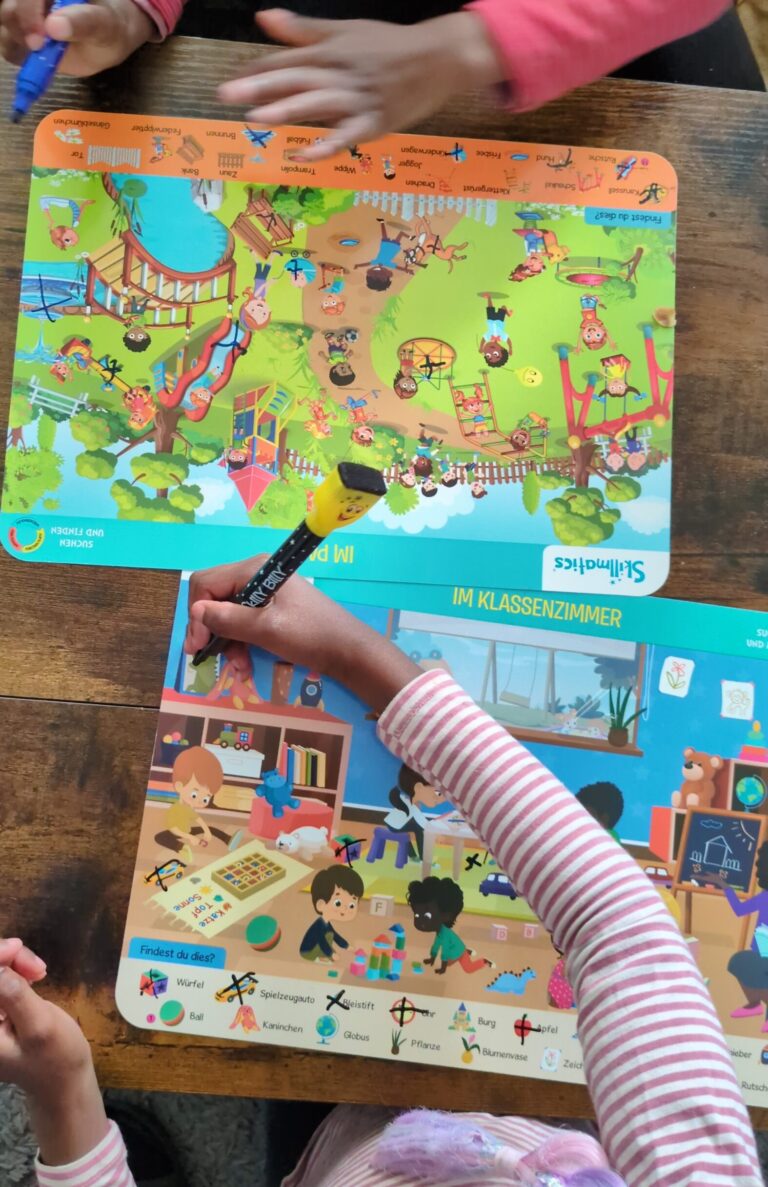
I rotate what goes inside, usually mixing things they already know with one or two things they haven’t seen for a while. I also rotate between closed-ended and open-ended play. Closed-ended choices are things they can immediately understand, such as a familiar card game or a simple puzzle challenge.
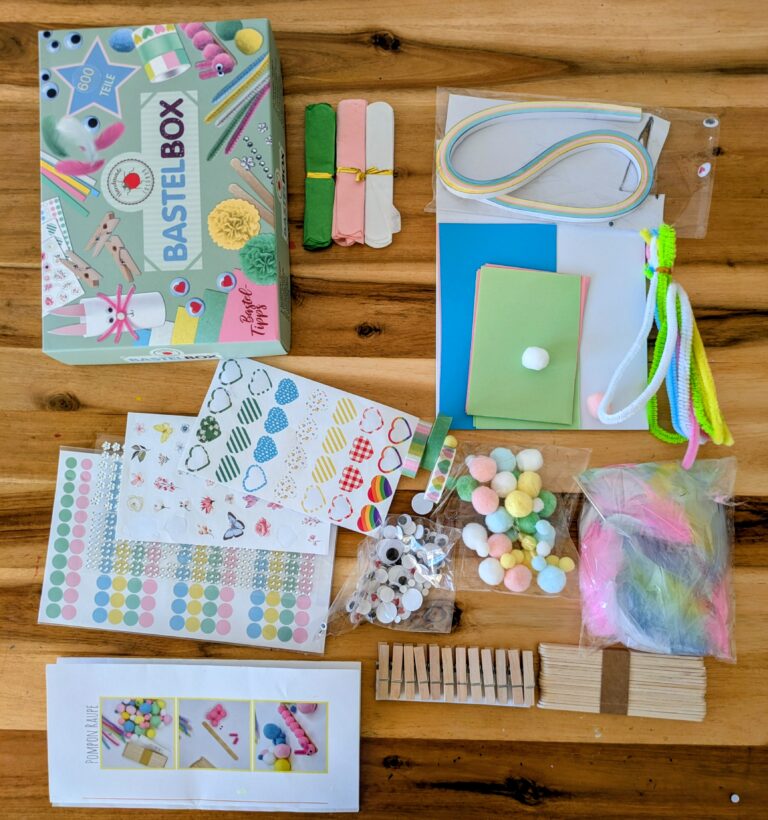
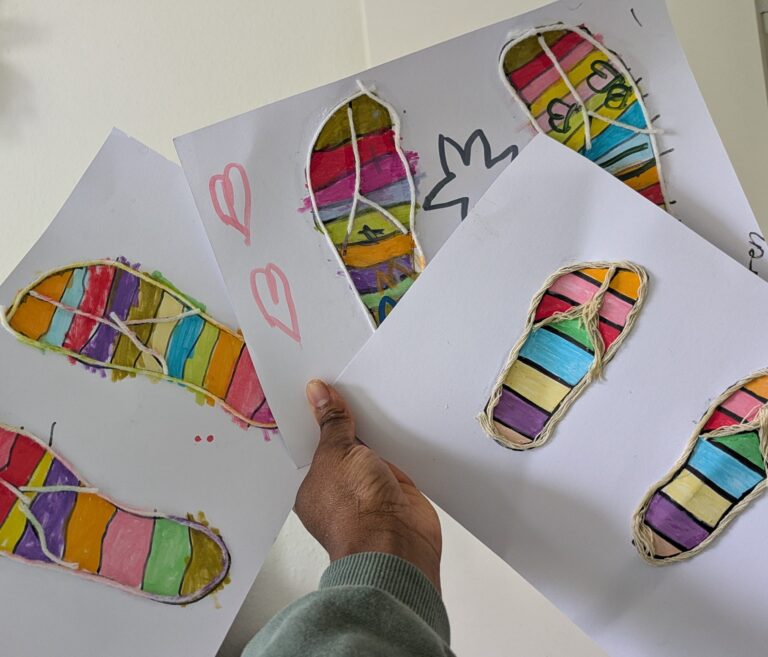
The Open-ended choices, on the other hand, might be things like play scarves, Play-Doh, craft supplies, paper, magazines, pom-poms or recycled materials they can turn into whatever they want. The truth is I like having both because sometimes my kids want a clear task and sometimes they just want to invent something of their choice.
Occasionally, of course, I carefully rotate the basket, and they completely ignore something I was convinced they’d love.
The basket isn’t supposed to entertain my children for hours straight; however, it exists to help reduce the constant
“Mama, what can I do?” questions and give them somewhere to start with independent play.
If you’d like to introduce this in your house as well, I’ve put together a free Afternoon Basket Starter Guide below showing what I actually put in ours, how I mix open- and closed-ended play, and how to start one using things you already have.
Click Here To Get the FREE Starter Guide
2. We have a drop zone by the door
This one isn’t technically an activity. It’s there to make my life easier. I’m trying to teach my children that when they get home from school and kindergarten, jackets, backpacks and shoes have somewhere to go. Partly because I want them to take responsibility for their own things, and partly because I am tired of looking for missing shoes every school morning. So things get dropped off before we properly settle into the afternoon. We’re still working on it, but having a predictable landing place helps us stay organised too.
3. We observe 10-15 minutes of decompression time
I no longer believe that my children necessarily need an activity as soon as they walk through the door. In fact, I think what they need is nothing. Kindergarten can be overstimulating, and school can be demanding. They’ve spent hours listening, interacting, playing, and being around other children, so when they get home, they have decompression time. In our house, that can look incredibly uneventful, like curtains closed, Toniebox on and lying down for about 10-15 minutes, because there is good reason to allow some breathing room after school.
Child Mind Institute recommends giving children who need it an opportunity to decompress during the transition home, with fewer demands for a while; snack and rest can also help children regroup for the evening. Only after that do we figure out what’s next.
4. We use a visual timer for transitions
I bought a visual timer without realising how often we would end up using it. Now it appears throughout our day. “Five more minutes,” “Ten minutes until we need to leave,” “When the timer finishes, we’re cleaning up.” The difference is that they can see the time disappearing instead of relying on me to announce it repeatedly. And anything that reduces the number of times I have to say the same sentence is welcome in this house. This is also one place where my Early Years teaching experience overlaps with home life. Young children don’t experience “ten minutes” in quite the same concrete way adults do. That’s why giving them something visible helps them anticipate an upcoming change. Timers and visual cues are commonly recommended as transition supports for young children. NAEYC specifically suggests timers to signal that an activity is ending, while Child Mind Institute recommends routines, countdowns, and visual cues to help children transition between activities.
5. Separate quiet play when everyone has had enough of everyone
With three children, there comes a point on some afternoons when everyone has simply had enough of everyone else. I know we’ve reached it when the Jackie Chan moves begin and there’s screaming everywhere. At that point, I don’t bother rescuing their play; I just separate them. They can still go on playing whatever it is they were playing before, just… separately. I send them to three different wings of the house – One stays in their bedroom, the other stays in my bedroom, and they both sit quietly. Sometimes a little physical distance is enough to reset the mood.
6. A bit of screen time when actually needed
And yes, screen time sometimes makes our afternoons easier, but not every afternoon. Some evenings, when I need to start making dinner, I’ll put something on for the kids, because by that point they’ve already had a long day. They’ve been at Kindergarten and school, come home, rested, eaten, played, argued, made things, abandoned things, and probably asked me several questions while I was trying to do something else. And now I need to cook. So sometimes the television goes on, and I often choose a German children’s programme, such as Ich bin Ich and Connie.
Because we’re raising our children in Germany, I actually like that screen time can also give them more exposure to the language they hear around them here, and sometimes I simply need 30 minutes to make dinner without also being responsible for everybody’s entertainment. That’s also why I’ve become less interested in presenting our afternoons as completely “screen-free,” because it’s not. While I love independent play and keep an afternoon basket for my kids to be creative and invent things, and I also deliberately leave room for boredom, we watch television too, and for me, those things can exist in the same home if managed well.
Our after-school routine isn’t really a routine
That’s probably the most important thing. I don’t religiously follow 3:30 snack, 3:45 independent play, 4:15 educational activity, and so on. Absolutely not; in fact, that would probably drain and turn my kids into robots. Our afternoons are flexible, in the sense that one daughter can come home starving, and the other can come home exhausted. Or, one daughter can suddenly decide today is the day to grind chalk into powder, mix it with water and invent her own paint. What I’ve learned is that I don’t need an activity for every part of the afternoon; I just need a few dependable systems that let my children gradually take more ownership of what happens next. And that’s what the basket, decompression time, drop zone, timer and quiet play all have in common. They’re not really entertainment, but they reduce how much of the afternoon I have to manage directly, and when you’re raising three children without your traditional village nearby, that’s necessary.
FAQ
What is a good after-school routine for kids? A useful after-school routine doesn’t have to be rigid. In our family, I focus on a few predictable anchors: putting belongings away, having time to decompress, eating when needed, offering accessible independent-play choices, and using visual cues for transitions. The American Academy of Pediatrics notes that healthy after-school routines can include snack, exercise, relaxation and study in whatever order suits the child.
Do kids need downtime after school? Some children benefit from a lower-demand period after school before moving into homework, activities or other expectations. In our family, this is usually 10-15 minutes of quiet rest, although the amount of time isn’t a rule. Child Mind Institute recommends giving children an opportunity to decompress after school when they need it.
How can I encourage independent play after school? Make it easy for your child to start without you by keeping a small number of familiar, age-appropriate materials within reach and including both activities with an obvious goal and open-ended materials. The aim isn’t necessarily longer play; it’s gradually reducing the number of steps that require an adult to initiate them.
What can I put in an afternoon activity basket? Our basket rotates between things like paper and drawing materials, Play-Doh, magazines, simple card games, puzzles, craft materials, loose parts, play scarves and recycled materials. I don’t put everything out at once. A small selection is enough.
What if my child doesn’t want to play independently after school? Don’t force it! In fact, I wouldn’t make independent play the first demand after walking through the door. Some children are hungry, tired, or simply need connection and rest first. Instead, watch what your own child seems to need and build your routine around that rather than trying to reproduce somebody else’s timetable.